

How to choose glass for your home – Annealed, Laminated, Tempered, and Double-Glazed Insulated Glass
For construction in Costa Rica, choosing the right glass is key to optimizing comfort,
the safety and energy efficiency of any project. Next, we explore the
most recommended types of glass, their benefits and how a strategic combination can
optimize both performance and costs.
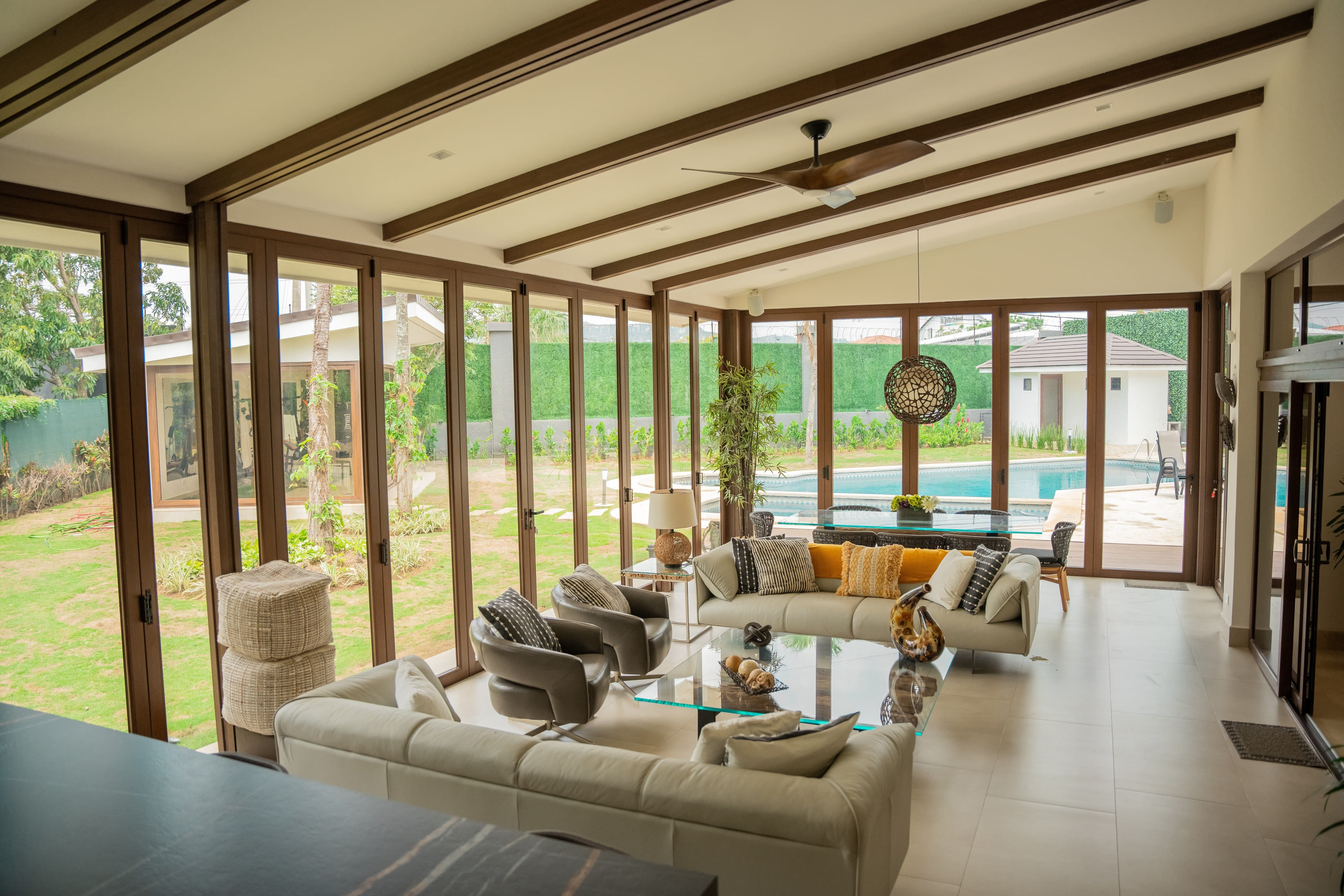
1. Annealed (Floated) Glass: 6mm, 8mm, 10mm
Annealed or float, glass is a practical and economical option, ideal for interior applications such as low-risk partitions and windows.
It allows you to integrate design and functionality without exceeding the budget, making it ideal for optimizing project costs.
Its strategic use in interiors complements other types of glass in areas that require greater security or insulation, maximizing the balance between aesthetics and economy in construction.
2. Laminated Glass: 3+3, 4+4, 5+5, 5+4, 6+5
Composed of two layers of glass interspersed with a sheet of Polyvinyl Butyral (PVB), laminated glass provides safety and excellent sound insulation.
If it breaks, its fragments remain attached to the plastic layer, reducing the risk of accidents.
In addition, it blocks up to the 99% of UV rays, protecting interiors from fading and helping to control noise.
It is ideal for windows and exterior doors in residential or commercial buildings, providing a perfect balance between security and sun protection.
3. Tempered Glass: 6mm, 8mm, 10mm
Tempered glass, subjected to a rapid heating and cooling process, is up to Five times stronger than raw glass.
In case of breakage, it is fragmented into small, non-sharp pieces, offering high security in high-traffic areas.
This resistance makes it ideal for exterior facades, doors and windows in temperature change zones.
4. Low-e glass, Solar-e: 6mm, 6mm+5mm
Solar control glass reduces heat input by reflecting or absorbing solar radiation, keeping interiors cooler and well lit.
Variants such as glass tinted, reflective and low emissivity they allow balancing natural light and thermal comfort, thus reducing energy consumption in air conditioning.
5. Double Hermetic Glazing (DVH): 6mm+5mm+5mm
Also known as camera glass, the DVH consists of two sheets of glass separated by a hermetically sealed air or gas chamber.
This provides a superior thermal and acoustic insulation, helping to reduce the use of air conditioning systems and energy consumption by up to a 70%.
It also prevents condensation on the glass, improves comfort in areas exposed to direct sunlight and reduces the “cold wall” effect inside, increasing the comfort of the space.
Cost Optimization and Strategic Glass Combination
The intelligent choice of each type of glass depending on the area and its exposure allows you to maximize functionality without exceeding your budget.
Use raw glass in interior areas, combined with laminated or tempered in high traffic areas, allows you to adjust the cost to the needs of each space.
In addition, the use of DVH or laminate on windows exposed to the sun or in noisy areas helps to save on air conditioning and improve acoustic insulation, maximizing energy efficiency.
This approach ensures that each project has the most suitable type of glass, optimizing both performance and costs to meet the specific needs of the climate and environment of Costa Rica.
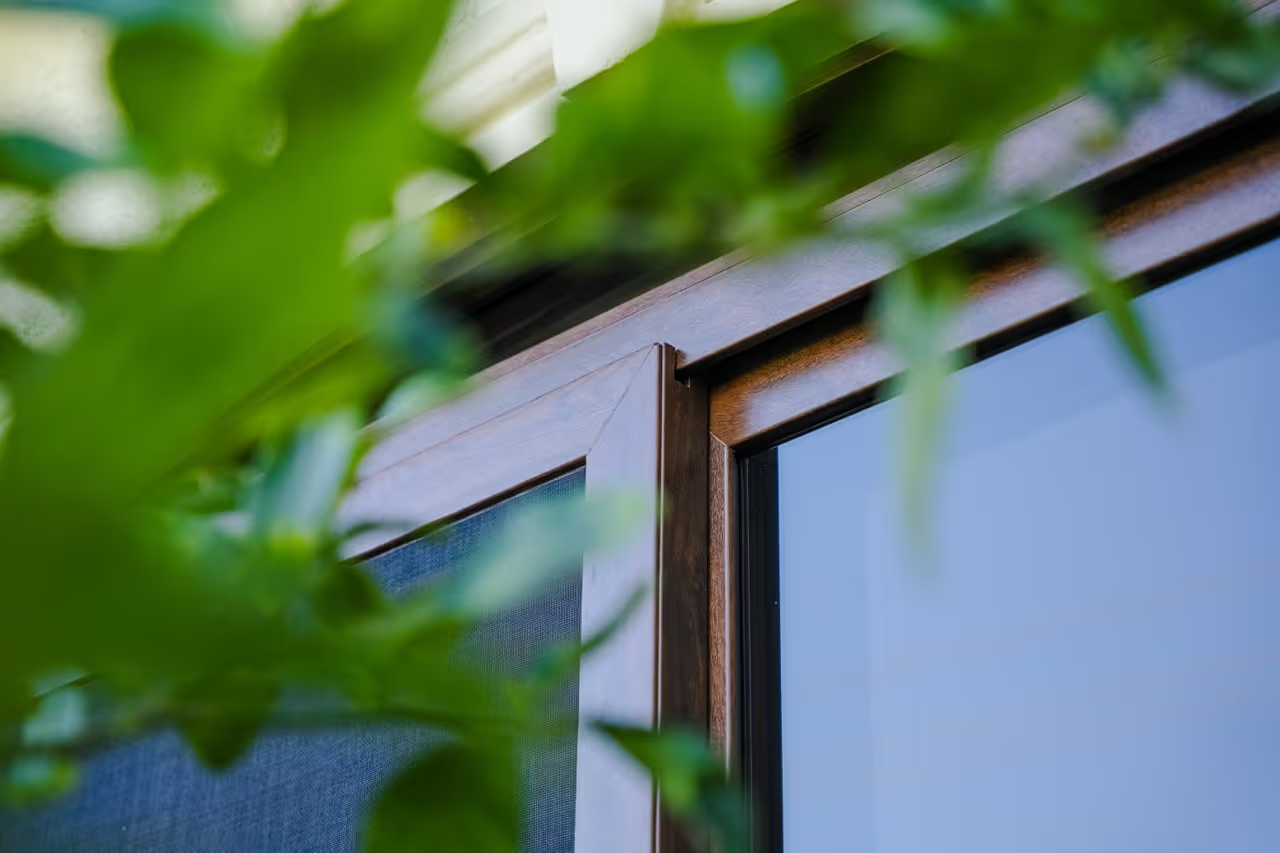
Choosing the right PVC windows can make a real difference in the comfort, durability, and performance of your home. Before making a decision, it is worth understanding which aspects truly add value.
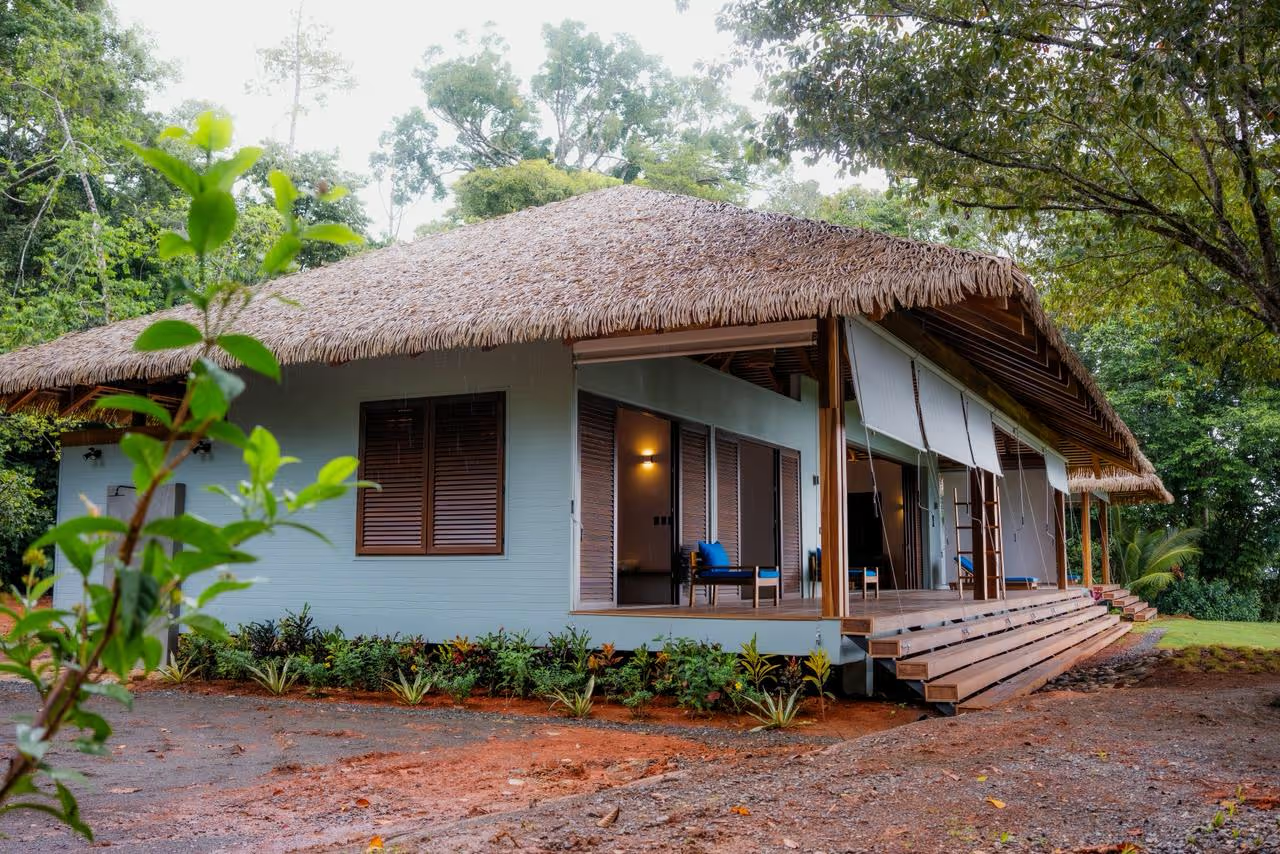
Punta Jaguar is a custom residential project in the Osa Peninsula, designed to blend with its tropical surroundings while requiring minimal maintenance, thanks to its PVC windows and doors.
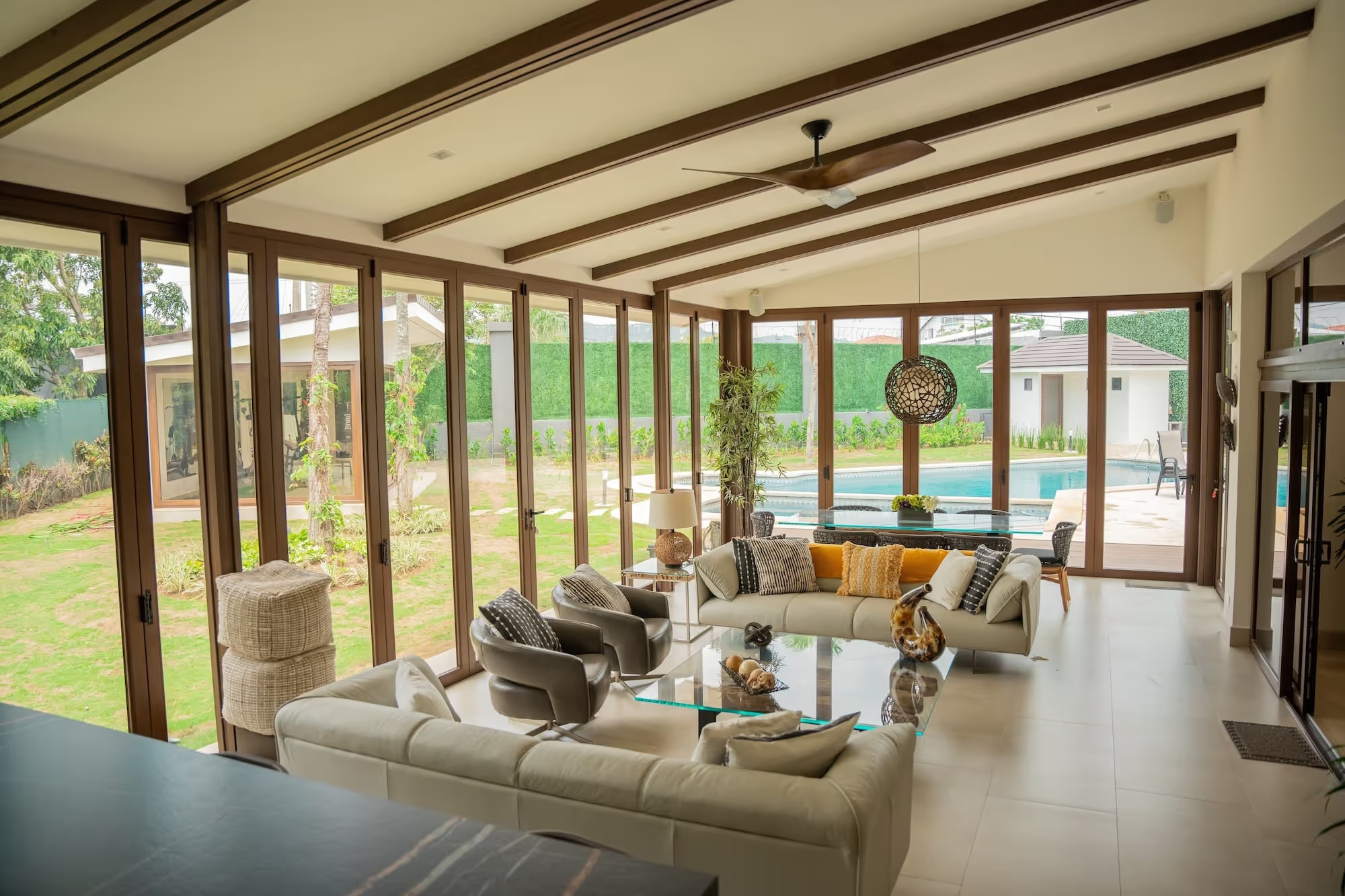
A clear guide to choosing the ideal glass for your home in Costa Rica, using strategic combinations of annealed, laminated, tempered, and insulated double glazing to maximize safety, comfort, and ener